Automatic Weather Station: An Overview of Its Functionality and Applications
# Automatic Weather Station: An Overview of Its Functionality and Applications
Automatic Weather Station: An Overview of Its Functionality and Applications
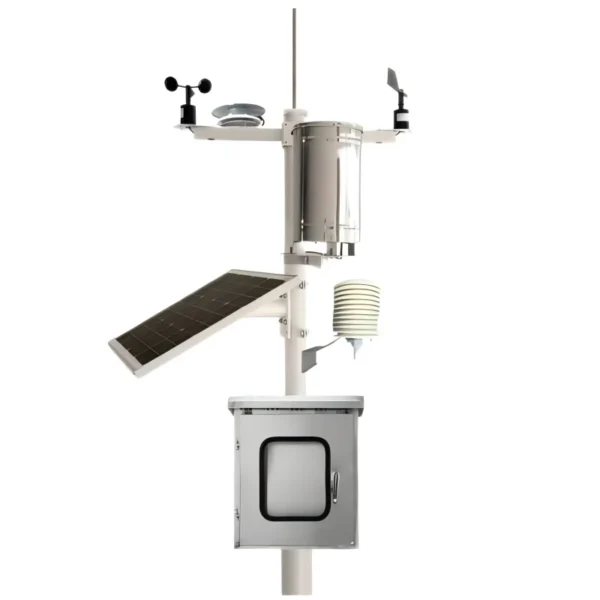
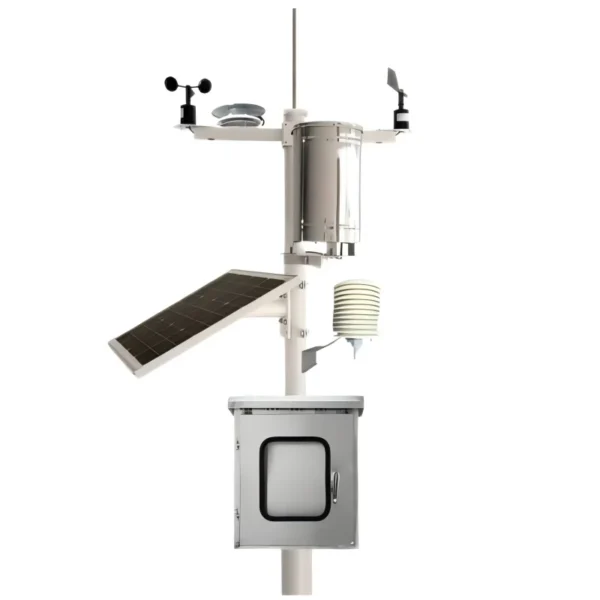
An Automatic Weather Station (AWS) is a sophisticated system designed to collect and record meteorological data without the need for constant human intervention. These stations are equipped with various sensors that measure environmental parameters such as temperature, humidity, wind speed, wind direction, rainfall, and atmospheric pressure. The data collected by AWS is crucial for a wide range of applications, from weather forecasting to climate research.
How Does an Automatic Weather Station Work?
An AWS typically consists of several key components:
- Sensors: These are the primary tools for measuring weather parameters. Common sensors include thermometers for temperature, hygrometers for humidity, anemometers for wind speed, wind vanes for wind direction, rain gauges for precipitation, and barometers for atmospheric pressure.
- Data Logger: This device records the data collected by the sensors. It can store data over extended periods and often includes features for data transmission to remote locations.
- Power Supply: AWS units are usually powered by solar panels, batteries, or a combination of both, ensuring continuous operation even in remote areas.
- Communication System: Many AWS units are equipped with wireless communication capabilities, allowing them to transmit data to central databases or weather monitoring networks in real-time.
Applications of Automatic Weather Stations
Automatic Weather Stations are used in a variety of fields, each benefiting from the precise and timely data they provide:
- Weather Forecasting: AWS data is integral to weather prediction models, helping meteorologists provide accurate forecasts and severe weather warnings.
- Agriculture: Farmers use AWS data to make informed decisions about planting, irrigation, and harvesting, optimizing crop yields and resource use.
- Aviation: Airports rely on AWS for real-time weather updates, ensuring safe takeoffs and landings.
- Climate Research: Long-term data from AWS helps scientists study climate patterns, trends, and changes, contributing to our understanding of global climate dynamics.
- Disaster Management: AWS can provide early warnings for natural disasters such as hurricanes, floods, and droughts, aiding in preparedness and response efforts.
Advantages of Automatic Weather Stations
There are several benefits to using AWS over traditional manual weather stations:
- Accuracy: Automated systems reduce human error, providing more reliable and consistent data.
- Efficiency: AWS can operate continuously without the need for manual data collection, saving time and labor.
- Remote Monitoring: Data can be accessed from anywhere, making it easier to monitor weather conditions in inaccessible or hazardous locations.
- Scalability: Multiple AWS units can be deployed across large areas, creating a comprehensive weather monitoring network.
Conclusion
Automatic Weather Stations are indispensable tools in modern meteorology and environmental monitoring. Their ability to provide accurate, real-time data across various applications makes them essential for weather forecasting, agriculture, aviation, climate research, and disaster management. As technology continues to advance, the capabilities and applications of AWS are expected to expand, further enhancing our ability to understand and respond to the ever-changing weather and climate conditions.
Keyword: what is automatic weather station