Anemometer Definition and Its Applications in Meteorology
# Anemometer Definition and Its Applications in Meteorology
## What is an Anemometer?
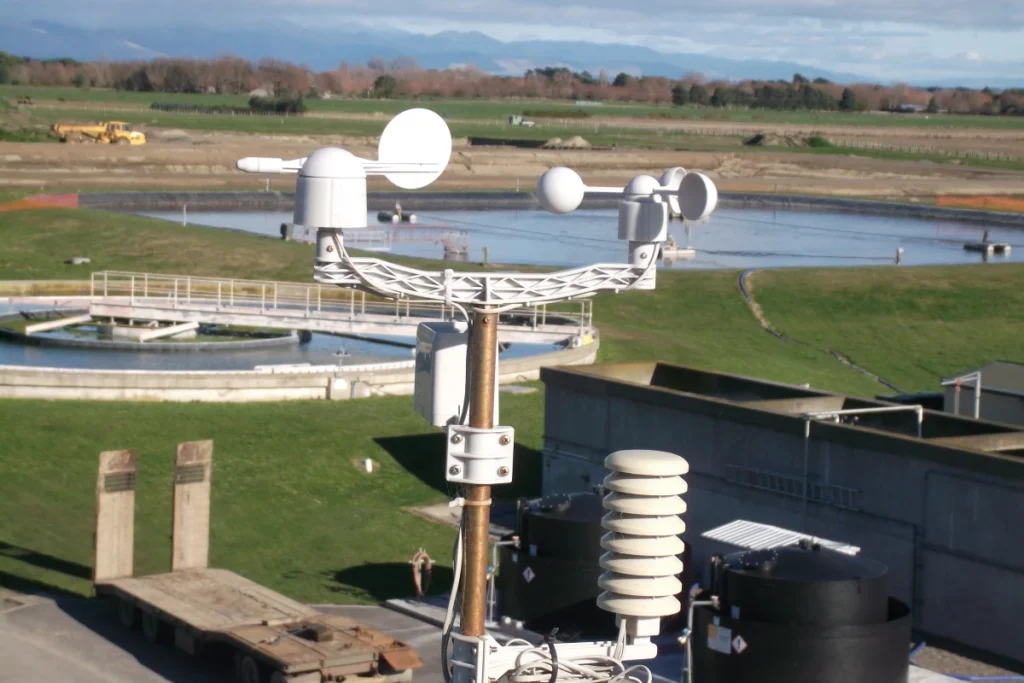
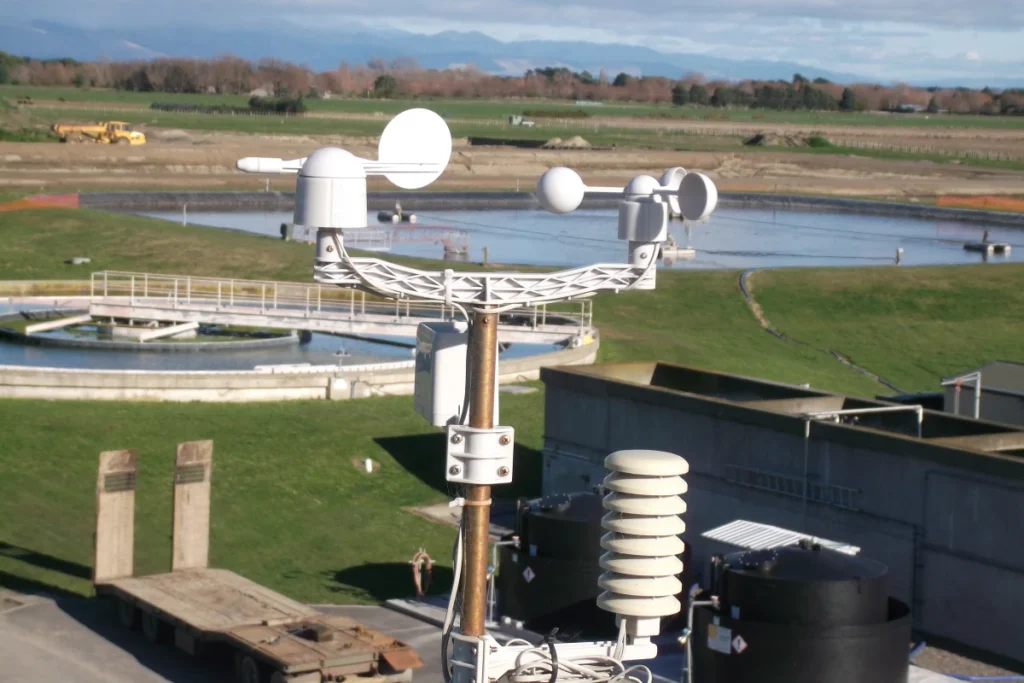
An anemometer is a device used to measure the speed of wind, and it is one of the most essential tools in meteorology. The term “anemometer” is derived from the Greek word “anemos,” meaning wind, and “metron,” meaning measure. This instrument plays a critical role in understanding weather patterns, predicting storms, and ensuring safety in various industries.
## Types of Anemometers
There are several types of anemometers, each designed for specific applications:
– Cup Anemometers: These are the most common type, featuring three or four cups mounted on horizontal arms. As the wind blows, the cups rotate, and the speed of rotation is proportional to the wind speed.
– Vane Anemometers: Also known as windmill anemometers, these devices use a propeller or a set of blades to measure wind speed. They are often used in handheld devices for quick measurements.
– Hot-Wire Anemometers: These anemometers use a heated wire to measure wind speed. As the wind cools the wire, the change in temperature is used to calculate the wind speed.
– Ultrasonic Anemometers: These advanced devices use ultrasonic sound waves to measure wind speed and direction. They are highly accurate and are often used in research and aviation.
## Applications of Anemometers in Meteorology
Anemometers are indispensable in meteorology for several reasons:
– Weather Forecasting: Accurate wind speed measurements are crucial for predicting weather patterns. Meteorologists use anemometers to gather data that helps in forecasting storms, hurricanes, and other weather events.
– Climate Studies: Long-term wind speed data collected by anemometers is essential for studying climate change and understanding global wind patterns.
– Aviation: Pilots rely on wind speed and direction data provided by anemometers to ensure safe takeoffs and landings. Airports often have multiple anemometers to monitor wind conditions in real-time.
– Renewable Energy: Wind turbines require precise wind speed measurements to operate efficiently. Anemometers are used to assess wind resources and optimize the placement of wind farms.
## Conclusion
Anemometers are vital instruments in meteorology, providing essential data for weather forecasting, climate studies, aviation, and renewable energy. By accurately measuring wind speed, these devices help us understand and predict weather patterns, ensuring safety and efficiency in various applications. Whether it’s a simple cup anemometer or a sophisticated ultrasonic model, these tools are indispensable in our quest to harness the power of the wind.
Keyword: anemometer definition