Definition of Anemometer: Understanding Wind Speed Measurement
# Definition of Anemometer: Understanding Wind Speed Measurement
An anemometer is a device used to measure wind speed, a critical parameter in various fields such as meteorology, aviation, and environmental science. Understanding how an anemometer works and its applications can provide valuable insights into weather patterns and environmental conditions.
## What is an Anemometer?
An anemometer is an instrument designed to measure the speed of wind. The term “anemometer” is derived from the Greek word “anemos,” meaning wind, and “metron,” meaning measure. These devices are essential tools for meteorologists, engineers, and researchers who need accurate wind speed data for their work.
## Types of Anemometers
There are several types of anemometers, each with its unique method of measuring wind speed:
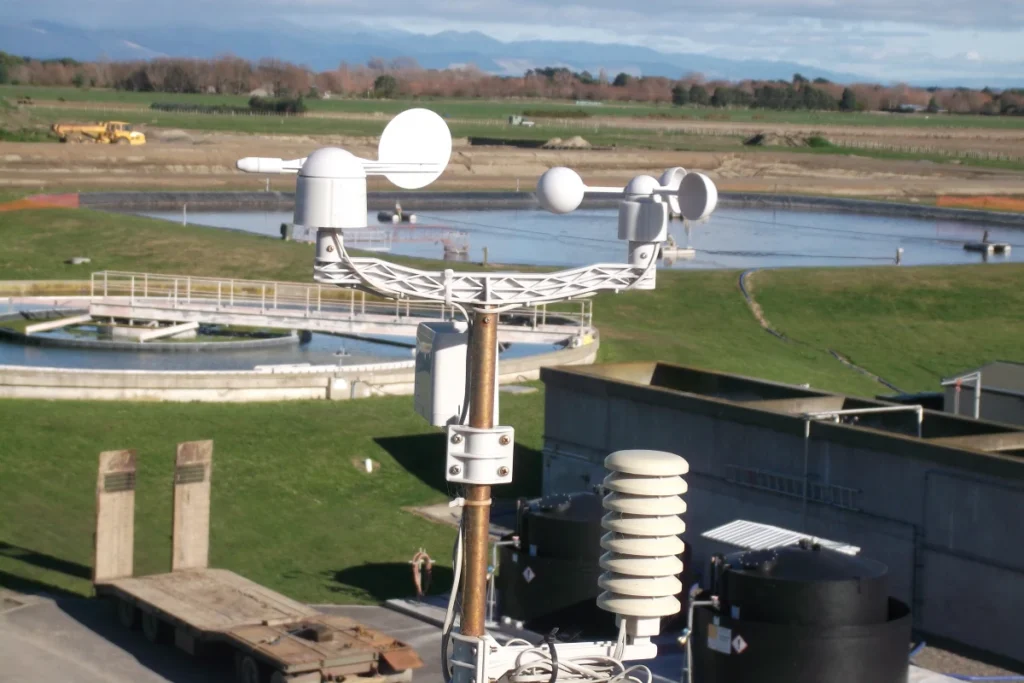
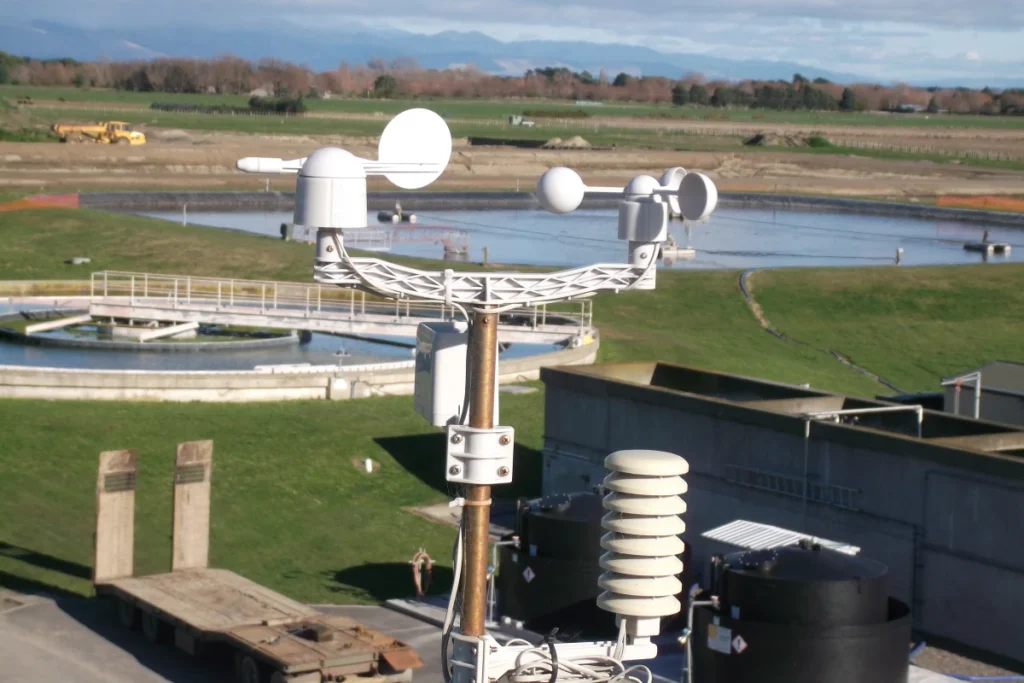
– Cup Anemometers: These are the most common type and consist of three or four cups mounted on horizontal arms. The wind causes the cups to rotate, and the speed of rotation is proportional to the wind speed.
– Vane Anemometers: These devices use a propeller or a wind vane to measure wind speed. The vane aligns itself with the wind direction, and the propeller’s rotation speed indicates the wind speed.
– Hot-Wire Anemometers: These anemometers use a heated wire that cools down as the wind passes over it. The rate of cooling is used to determine the wind speed.
– Ultrasonic Anemometers: These devices use ultrasonic sound waves to measure wind speed and direction. They are highly accurate and are often used in research and industrial applications.
## How Does an Anemometer Work?
The working principle of an anemometer depends on its type. For example, in a cup anemometer, the wind causes the cups to rotate. The rotation speed is measured and converted into wind speed using a calibration curve. Similarly, in a hot-wire anemometer, the cooling rate of the wire is measured and correlated with wind speed.
## Applications of Anemometers
Anemometers are used in a wide range of applications:
– Meteorology: Anemometers are essential for weather forecasting and climate studies. They provide data on wind speed, which is crucial for predicting weather patterns and understanding climate change.
– Aviation: Pilots and air traffic controllers use anemometers to monitor wind conditions at airports. This information is vital for safe takeoffs and landings.
– Environmental Science: Researchers use anemometers to study wind patterns and their impact on ecosystems. This data helps in understanding the dispersion of pollutants and the behavior of wildlife.
– Renewable Energy: Anemometers are used in the wind energy sector to assess wind resources and optimize the placement of wind turbines.
## Conclusion
An anemometer is a vital tool for measuring wind speed, with applications spanning meteorology, aviation, environmental science, and renewable energy. Understanding the different types of anemometers and how they work can help in selecting the right device for specific needs. Accurate wind speed measurement is crucial for various scientific and industrial applications, making anemometers indispensable in many fields.
Keyword: define anemometer