Wind Speed Measurement Instruments: Types and Applications
# Wind Speed Measurement Instruments: Types and Applications
## Introduction to Wind Speed Measurement
Measuring wind speed is essential in various fields, from meteorology to renewable energy. Accurate wind speed data helps in weather forecasting, aviation safety, and optimizing wind turbine performance. Several instruments have been developed to measure wind speed with precision, each suited for specific applications.
## Common Types of Wind Speed Measurement Instruments
### 1. Anemometers
Anemometers are the most widely used instruments for measuring wind speed. They come in several types:
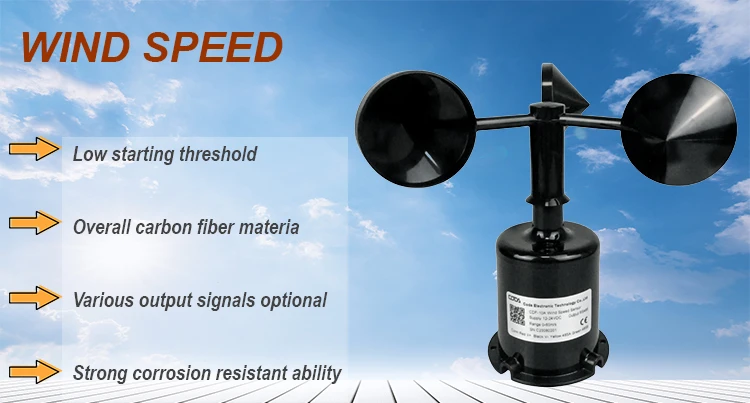
– Cup Anemometers: These consist of three or four cups mounted on horizontal arms. As wind blows, the cups rotate, and the speed is calculated based on the rotation rate.
– Vane Anemometers: These combine a propeller with a tail vane to measure both wind speed and direction.
– Hot-Wire Anemometers: These use electrically heated wires, and the cooling effect of the wind is measured to determine speed.
### 2. Wind Vanes
While primarily used to measure wind direction, wind vanes can also provide indirect wind speed data when combined with other instruments.
### 3. Sonic Anemometers
These advanced instruments use ultrasonic sound waves to measure wind speed and direction. They are highly accurate and often used in scientific research and aviation.
### 4. Pitot Tubes
Commonly used in aviation, Pitot tubes measure the dynamic pressure of the wind to calculate airspeed.
## Applications of Wind Speed Measurement
### Meteorology
Accurate wind speed data is crucial for weather forecasting and storm tracking. Meteorological stations worldwide rely on anemometers to collect this vital information.
### Aviation
Pilots and air traffic controllers use wind speed measurements to ensure safe takeoffs, landings, and flight paths.
### Wind Energy
Wind farms depend on precise wind speed measurements to optimize turbine placement and operation, maximizing energy production.
### Construction and Engineering
Wind speed data helps engineers design buildings and structures that can withstand high winds and turbulent conditions.
## Choosing the Right Instrument
Selecting the appropriate wind speed measurement instrument depends on several factors:
– Required accuracy
– Environmental conditions
– Budget constraints
– Specific application needs
For most general purposes, cup or vane anemometers provide sufficient accuracy. For research or high-precision applications, sonic anemometers may be more appropriate.
## Maintenance and Calibration
Regular maintenance and calibration are essential to ensure accurate measurements. Dust, moisture, and mechanical wear can affect instrument performance over time. Most professional-grade instruments come with calibration certificates and recommended maintenance schedules.
## Future Developments
Advancements in sensor technology and data processing are leading to more sophisticated wind measurement instruments. Wireless sensors, IoT integration, and AI-powered data analysis are becoming increasingly common in modern wind measurement systems.
Keyword: measure wind speed instrument