Jasmine Tea: A Fragrant Journey Through Tradition and Flavor
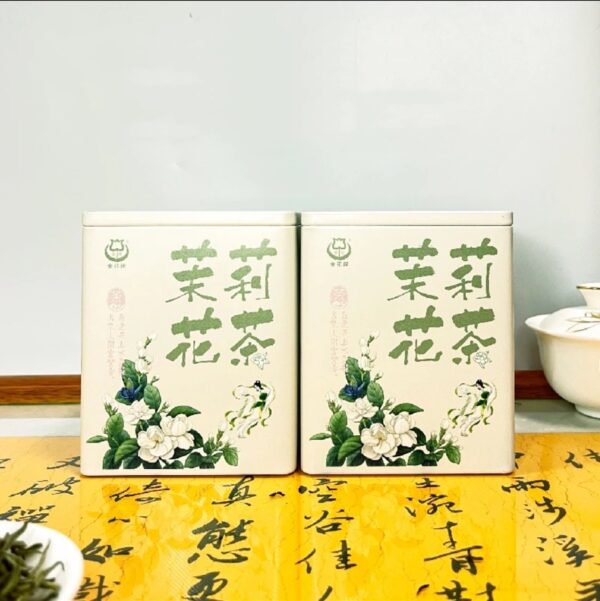
# Jasmine Tea: A Fragrant Journey Through Tradition and Flavor
The Origins of Jasmine Tea
Jasmine tea, one of China’s most famous scented teas, has a history dating back over 1,000 years to the Song Dynasty. This aromatic beverage originated in Fujian province, where tea makers discovered the perfect method of infusing green tea leaves with the delicate fragrance of jasmine blossoms. The process was later refined during the Ming Dynasty, establishing jasmine tea as a prized commodity among Chinese nobility.
The Art of Jasmine Tea Production
The creation of jasmine tea is a labor-intensive process that requires perfect timing and skilled craftsmanship. Tea producers typically follow these traditional steps:
- Spring tea leaves are harvested and processed into green tea base
- Jasmine flowers are picked during their peak blooming season in summer
- The tea leaves and flowers are layered together for scenting
- The mixture is carefully monitored and turned to ensure even fragrance absorption
- After scenting, the flowers are removed, leaving only their aromatic essence
Varieties of Jasmine Tea
While all jasmine teas share the characteristic floral aroma, several distinct varieties exist:
Jasmine Pearls
Hand-rolled into small pearls that unfurl beautifully when steeped, these are considered among the finest jasmine teas.
Jasmine Silver Needle
Made from tender white tea buds, this premium variety offers a delicate flavor profile.
Jasmine Chun Hao
A classic green tea base with moderate oxidation produces a balanced, approachable flavor.
Health Benefits of Jasmine Tea
Beyond its delightful taste, jasmine tea offers numerous health advantages:
Keyword: jasmine tea
- Rich in antioxidants that may help combat free radicals
- Contains L-theanine, which promotes relaxation without drowsiness
- May support heart health and improve circulation
- Potential metabolism-boosting properties
- Natural stress relief through its soothing aroma
Brewing the Perfect Cup
To fully appreciate jasmine tea’s complex flavors, proper brewing is essential:
- Use fresh, filtered water heated to 175-185°F (80-85°C)
- Measure approximately 1 teaspoon of tea leaves per 8 oz cup
- Steep for 2-3 minutes for the first infusion
- Enjoy multiple infusions, increasing steeping time slightly with each
- Serve without milk to appreciate the pure floral notes
Cultural Significance
In Chinese culture, jasmine tea symbolizes purity, elegance, and hospitality. It’s traditionally served to honored guests and during important celebrations. The tea’s association with harmony and grace has made it a favorite subject in poetry and art throughout Chinese history.
Today, jasmine tea continues to captivate tea enthusiasts worldwide, offering a sensory experience that bridges ancient tradition with modern appreciation for fine flavors and aromas.