Storing Oolong Tea: Best Practices for Freshness and Flavor
# Storing Oolong Tea: Best Practices for Freshness and Flavor
Introduction
Oolong tea is a unique and flavorful beverage that requires proper storage to maintain its freshness and taste. Whether you’re a casual drinker or a tea connoisseur, understanding how to store oolong tea correctly can make a significant difference in your tea-drinking experience.
Why Proper Storage Matters
Oolong tea is semi-oxidized, placing it between green and black teas in terms of processing. This delicate balance means it’s particularly susceptible to environmental factors that can degrade its quality. Proper storage helps preserve:
- Aroma
- Flavor profile
- Nutritional benefits
- Freshness
Key Factors Affecting Oolong Tea Quality
Several environmental elements can impact your oolong tea’s longevity and taste:
1. Light Exposure
Direct sunlight can accelerate oxidation and degrade the tea’s compounds. Always store oolong tea in opaque containers or in dark places.
2. Air Exposure
Oxygen causes oxidation, which can alter the tea’s flavor. Minimize air contact by using airtight containers and removing excess air before sealing.
Keyword: Storing Oolong Tea
3. Moisture
Tea leaves are hygroscopic, meaning they absorb moisture from the air. Excess humidity can lead to mold growth and flavor deterioration.
4. Temperature
Heat accelerates chemical reactions in tea leaves. Store oolong tea in a cool environment, ideally between 50-70°F (10-21°C).
5. Odor Absorption
Tea leaves easily absorb surrounding odors. Keep them away from strong-smelling foods or spices.
Best Storage Methods
Short-Term Storage (1-3 months)
For tea you’ll consume relatively quickly:
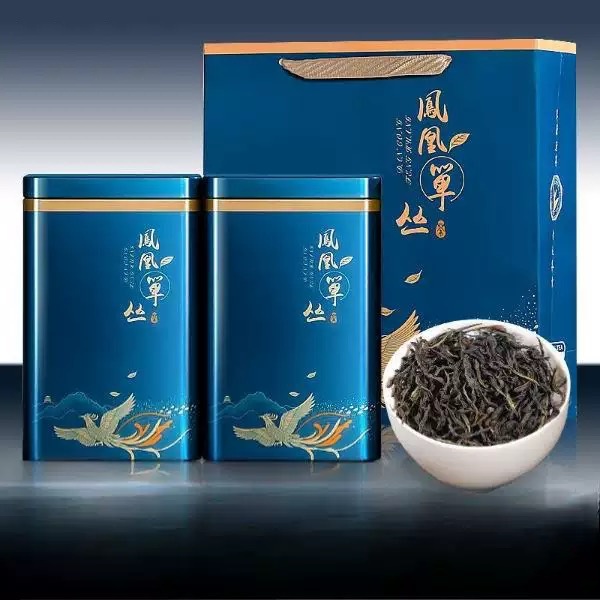
- Use original packaging if resealable and opaque
- Transfer to an airtight ceramic or tin container
- Store in a cool, dark cupboard away from heat sources
Long-Term Storage (3+ months)
For premium oolongs or bulk purchases:
- Divide into smaller portions to minimize air exposure
- Use vacuum-sealed bags or containers with oxygen absorbers
- Consider refrigeration (see special instructions below)
Special Considerations for Refrigeration
While refrigeration can extend shelf life, it requires careful handling:
- Ensure tea is completely dry before refrigerating
- Use airtight, moisture-proof containers
- Allow container to reach room temperature before opening to prevent condensation
- Once removed from cold storage, use within 2 weeks
Common Storage Mistakes to Avoid
Even well-intentioned tea lovers can make these errors:
- Storing near spices or coffee
- Using clear glass containers without UV protection
- Opening packages frequently without proper resealing
- Storing in humid environments like above the stove
How to Tell if Your Oolong Has Gone Bad
Watch for these signs of deterioration:
- Loss of vibrant aroma
- Musty or stale smell
- Change in leaf color