Rain Gauge: A Comprehensive Description and Functionality Overview
# Rain Gauge: A Comprehensive Description and Functionality Overview
## Introduction to Rain Gauges
A rain gauge is a meteorological instrument used to measure the amount of liquid precipitation over a set period of time. This simple yet essential tool plays a crucial role in weather forecasting, agriculture, hydrology, and climate studies. By providing accurate rainfall data, rain gauges help scientists, farmers, and policymakers make informed decisions.
## Types of Rain Gauges
There are several types of rain gauges, each with its own unique design and method of operation:
### 1. Standard Rain Gauge
The standard rain gauge, also known as the manual rain gauge, consists of a funnel that collects rainwater and directs it into a measuring cylinder. The amount of precipitation is determined by reading the water level in the cylinder.
### 2. Tipping Bucket Rain Gauge
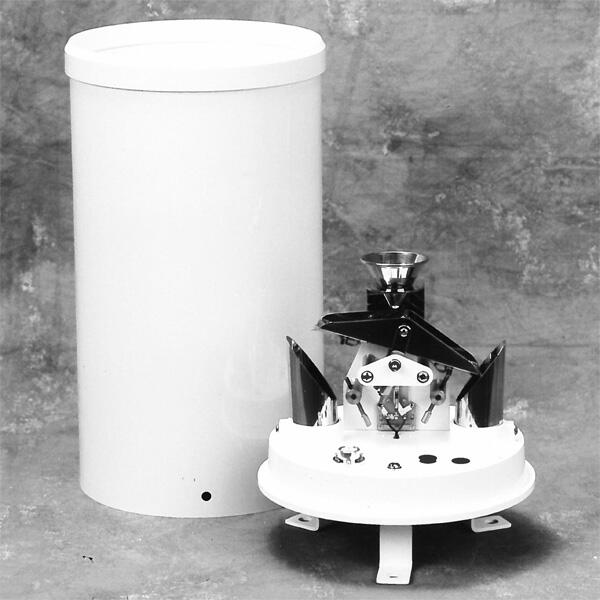
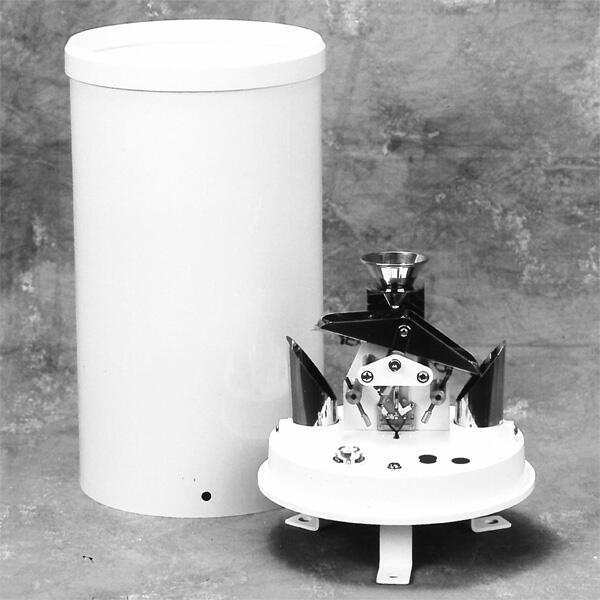
This type of rain gauge uses a small bucket that tips when it fills with a specific amount of rainwater. Each tip corresponds to a known volume of precipitation, which is recorded electronically.
### 3. Weighing Rain Gauge
A weighing rain gauge measures the weight of the collected precipitation. As rain falls into a container, the weight increases, and this change is recorded to determine the amount of rainfall.
### 4. Optical Rain Gauge
Optical rain gauges use light beams to detect and measure rainfall. When raindrops pass through the light beam, they scatter the light, and the amount of scattering is used to calculate the rainfall intensity.
## How Rain Gauges Work
Rain gauges operate on the principle of collecting and measuring precipitation. The basic steps involved are:
– Collection: Rainwater is collected in a funnel or container.
– Measurement: The collected water is measured using a scale, tipping mechanism, or weight sensor.
– Recording: The data is recorded manually or electronically for further analysis.
## Applications of Rain Gauges
Rain gauges are used in various fields, including:
– Weather Forecasting: Providing data for accurate weather predictions.
– Agriculture: Helping farmers manage irrigation and crop planning.
– Hydrology: Monitoring water resources and flood risks.
– Climate Studies: Contributing to long-term climate data collection.
## Maintenance and Calibration
To ensure accurate measurements, rain gauges require regular maintenance and calibration. This includes:
– Cleaning the funnel and collection container to prevent blockages.
– Checking for damage or wear and tear.
– Calibrating the measuring mechanism to ensure precision.
## Conclusion
Rain gauges are indispensable tools in meteorology and related fields. By understanding their types, functionality, and applications, we can better appreciate their role in monitoring and managing our environment. Whether for daily weather updates or long-term climate research, rain gauges provide the data needed to make informed decisions and predictions.
Keyword: rain gauge description