Meteorological Station: Monitoring Weather and Climate Data
# Meteorological Station: Monitoring Weather and Climate Data
Introduction to Meteorological Stations
A meteorological station is a facility equipped with instruments and sensors designed to observe and record atmospheric conditions. These stations play a crucial role in weather forecasting, climate research, and environmental monitoring. By collecting data on various weather parameters, meteorological stations provide valuable information that helps scientists, farmers, pilots, and the general public make informed decisions.
Key Instruments Found in a Meteorological Station
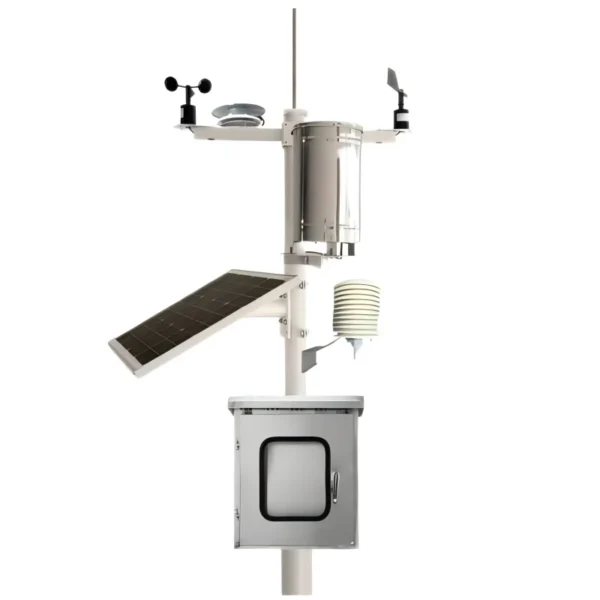
Modern meteorological stations typically include several essential instruments:
- Thermometer: Measures air temperature
- Barometer: Records atmospheric pressure
- Hygrometer: Measures humidity levels
- Anemometer: Tracks wind speed and direction
- Rain gauge: Measures precipitation amounts
- Pyranometer: Measures solar radiation
Types of Meteorological Stations
Meteorological stations come in different forms depending on their purpose and location:
1. Surface Weather Stations
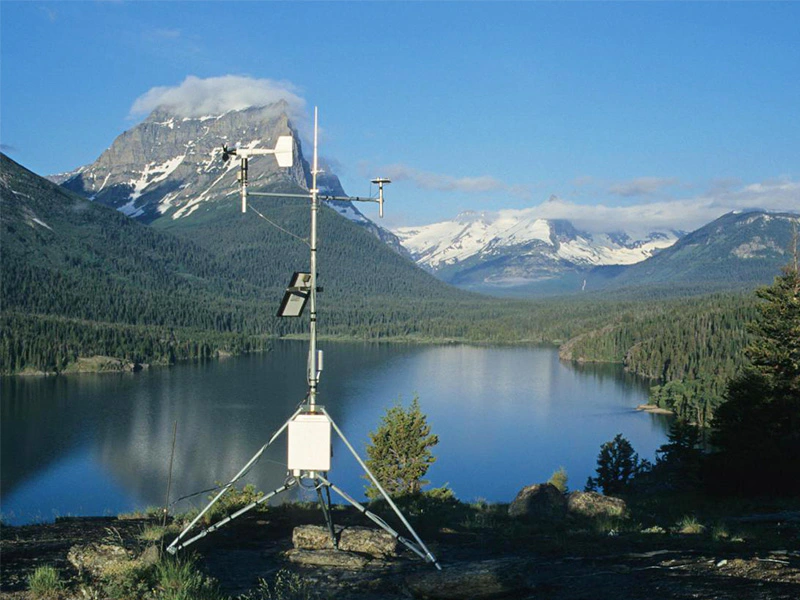
These are the most common type, installed at ground level to measure standard weather parameters. They can be manual or automated.
2. Upper-air Stations
These stations use weather balloons (radiosondes) to collect data about atmospheric conditions at higher altitudes.
3. Marine Weather Stations
Located on buoys or ships, these stations monitor weather conditions over oceans and large water bodies.
4. Agricultural Weather Stations
Specifically designed for farming applications, these stations often include soil moisture sensors and leaf wetness indicators.
The Importance of Meteorological Data
The data collected by meteorological stations serves numerous critical purposes:
- Weather forecasting: Helps predict short-term weather patterns
- Climate monitoring: Tracks long-term climate trends and changes
- Disaster preparedness: Provides early warnings for severe weather events
- Agricultural planning: Assists farmers in making planting and harvesting decisions
- Aviation safety: Crucial for flight planning and operations
Modern Advancements in Meteorological Stations
Recent technological developments have significantly improved meteorological station capabilities:
- Automation: Most stations now automatically collect and transmit data
- Remote sensing: Satellite and radar integration enhances data collection
- IoT connectivity: Allows for real-time data sharing and analysis
- Improved sensors: More accurate and durable measurement devices
- Data integration: Better systems for combining data from multiple sources
Conclusion
Meteorological stations serve as the backbone of our weather and climate monitoring systems. As technology continues to advance, these stations will become even more precise and capable, providing increasingly valuable data to help us understand and adapt to our changing environment. From helping farmers optimize crop yields to warning communities about approaching storms, meteorological stations play an indispensable role in our daily lives and long-term planetary health.
Keyword: meteorological station