Light Sensor: Definition and Functionality
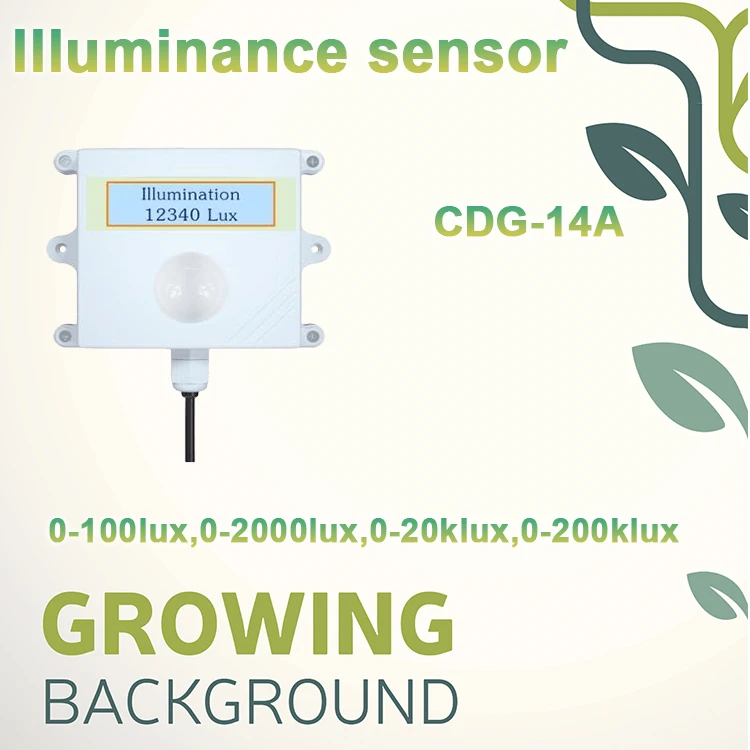
# Light Sensor: Definition and Functionality
## What is a Light Sensor?
A light sensor is an electronic device that detects and measures the intensity of ambient light. It converts light energy into an electrical signal, which can then be processed by other electronic components or systems. Light sensors are commonly used in various applications, from simple automatic lighting systems to complex industrial automation.
## How Does a Light Sensor Work?
Light sensors operate based on the principle of photoelectric effect. When photons (light particles) strike the semiconductor material in the sensor, they generate electron-hole pairs, creating an electrical current proportional to the light intensity. The two most common types of light sensors are:
– Photoresistors (LDRs – Light Dependent Resistors): These change their resistance based on light exposure
– Photodiodes: These generate current when exposed to light
## Key Functionality of Light Sensors
Light sensors serve several important functions in electronic systems:
– Light intensity measurement
– Automatic brightness adjustment
– Daylight harvesting for energy efficiency
– Object detection and counting
– Security and surveillance applications
## Common Applications of Light Sensors
Light sensors are widely used in various industries and consumer products:
– Smartphones and tablets (auto-brightness adjustment)
– Digital cameras (exposure control)
– Street lights (automatic on/off)
– Industrial automation (object detection)
– Agricultural systems (greenhouse monitoring)
– Automotive systems (automatic headlights)
## Advantages of Using Light Sensors
The implementation of light sensors offers numerous benefits:
– Energy efficiency through automatic light control
– Improved user experience with adaptive displays
– Enhanced safety in automotive applications
– Reduced maintenance costs for outdoor lighting
– Better plant growth monitoring in agriculture
## Future Developments in Light Sensor Technology
As technology advances, light sensors are becoming more sophisticated with:
– Higher sensitivity and accuracy
– Smaller form factors
– Lower power consumption
– Integration with IoT systems
– Advanced spectral analysis capabilities
Light sensors continue to play a crucial role in the development of smart environments and automated systems, making our interactions with technology more seamless and efficient.
Keyword: what is light sensor