Storing Oolong Tea: Best Practices for Freshness and Flavor
Keyword: Storing Oolong Tea
# Storing Oolong Tea: Best Practices for Freshness and Flavor
Introduction
Oolong tea is a unique and flavorful tea that falls somewhere between green and black tea in terms of oxidation. To preserve its delicate flavors and aromas, proper storage is essential. Whether you’re a casual tea drinker or a connoisseur, understanding how to store oolong tea correctly will ensure you enjoy its full potential with every cup.
Understanding Oolong Tea’s Sensitivity
Oolong tea is particularly sensitive to its environment due to its partial oxidation. The leaves can easily absorb odors and moisture, which can degrade their quality over time. Factors like light, air, temperature, and humidity all play crucial roles in maintaining the tea’s freshness.
Best Storage Containers for Oolong Tea
Choosing the right container is the first step in proper oolong tea storage:
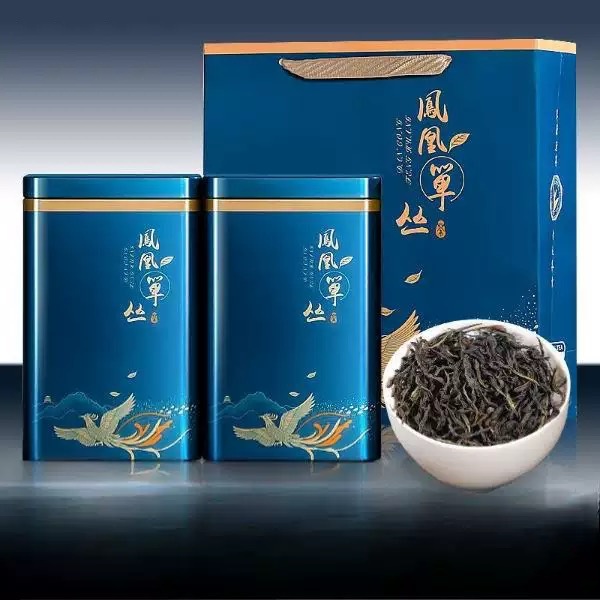
- Airtight tins: Metal tins with tight-fitting lids are excellent for blocking light and air
- Ceramic jars: Glazed ceramic containers provide good protection against moisture
- Double-lidded tea caddies: Traditional Chinese tea containers often feature an inner lid for extra protection
- Vacuum-sealed bags: For long-term storage, vacuum-sealed bags with oxygen absorbers work well
Ideal Storage Conditions
To maximize your oolong tea’s shelf life and preserve its flavor profile:
- Temperature: Store in a cool place, ideally between 50-70°F (10-21°C)
- Humidity: Keep in a dry environment with less than 60% humidity
- Light: Protect from direct sunlight by using opaque containers
- Odors: Store away from strong-smelling foods and spices
Special Considerations for Different Oolong Types
Different oolong varieties may require slightly different storage approaches:
Lightly Oxidized Oolongs
These greener oolongs (like Taiwanese High Mountain oolongs) are more delicate and benefit from refrigeration for long-term storage (6+ months). Use an airtight container to prevent moisture absorption.
Heavily Oxidized Oolongs
Dark oolongs (like traditional Wuyi rock teas) are more stable at room temperature but still require protection from air and moisture.
Roasted Oolongs
These teas can be stored at room temperature but may benefit from occasional “resting” periods where the container is opened to allow slight air exchange.
How Long Does Oolong Tea Last?
When stored properly:
- Light oolongs: 6-12 months
- Medium oolongs: 1-2 years
- Dark roasted oolongs: 2-3 years or more
Note that while oolong tea doesn’t “spoil” in the traditional sense, its flavors will gradually diminish over time.
Common Storage Mistakes to Avoid
- Storing in clear glass containers (exposes tea to light)
- Keeping tea in its original paper packaging long-term
- Storing near heat sources like stoves or ovens
- Opening containers frequently without need