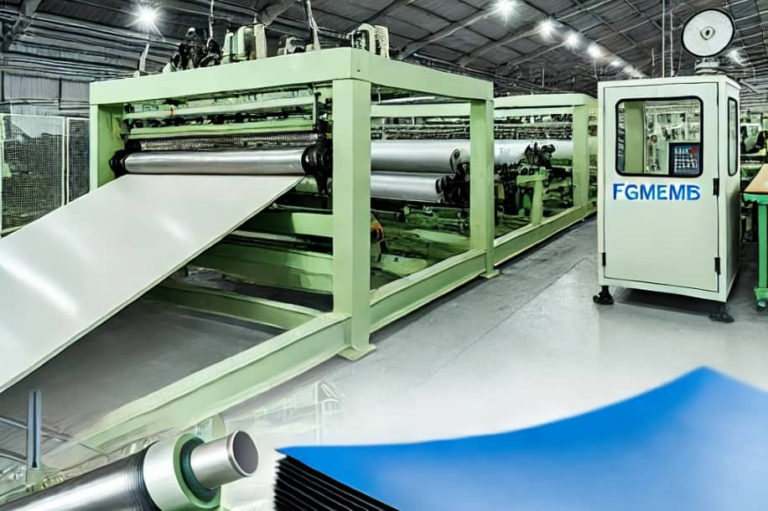
Maintenance Technology for Food Packaging Machinery: 7 Proven Strategies to Maximize Uptime
Why Predictive Maintenance Is the Backbone of Modern Packaging Lines
In food packaging, every minute of unplanned downtime costs thousands in lost product, missed deadlines, and wasted labor. Traditional reactive fixes are no longer acceptable. Today’s competitive landscape demands a proactive approach, and that is where **maintenance technology for food packaging machinery** comes into play. By leveraging smart sensors, data analytics, and automated workflows, you can shift from “fix when broken” to “fix before failure,” ensuring your line runs at peak efficiency during peak seasons.
Strategy 1: Implement Real-Time Vibration Monitoring
Unbalanced rollers, worn bearings, and loose chains cause massive disruption in a packaging line. Vibration sensors mounted on critical motors and gearboxes capture subtle frequency shifts that indicate wear. When you deploy this maintenance technology for food packaging machinery, the system triggers a work order days before a failure is visible by touch or sound. This allows you to schedule replacement parts during a planned break, not a mid-shift emergency.
Strategy 2: Leverage Thermal Imaging for Electrical & Friction Hotspots
Heat is a silent killer. Sealing bars, friction belts, and control cabinets all generate thermal signatures when they start to fail. Fixed thermal cameras or handheld IR scanners, when integrated into your weekly checks, catch heat anomalies that standard checklists ignore. This specific application of maintenance technology for food packaging machinery prevents burnt servo motors and melted timing belts—common culprits in fire hazards and costly batch contamination.
Strategy 3: Use Oil Analysis for Gearbox & Hydraulic Health
Hydraulic systems and enclosed gearboxes are often the “black box” of a packaging line. Instead of waiting for grit to grind gears down, use quarterly oil sampling. Spectrochemical analysis detects microscopic metal shavings and moisture ingress. When combined with automated fluid-quality sensors, this becomes a top-tier maintenance technology for food packaging machinery, extending lubricant life by 30% and preventing sudden hydraulic pump seizures.
Strategy 4: Standardize with Digital Twin Simulation
A digital twin is a virtual replica of your conveyor, wrapper, and fillers. By running simulations against the power consumption data in real-time, you can test “what-if” scenarios. For instance, can the motor handle an extra 5% speed? The digital twin, as a sophisticated maintenance technology for food packaging machinery, reveals whether a part is nearing its fatigue limit. This reduces the need for unnecessary part swapping while ensuring you only touch the machine when physics dictates it is necessary.
Strategy 5: Automate Changeover with IoT-Enabled Servo Drives
Frequent changeovers are the number one killer of production time in food packaging. IoT-enabled servo drives store precise torque, speed, and temperature profiles for each SKU changeover. Instead of a mechanic manually adjusting cams, the system auto-calibrates. This smart usage of maintenance technology for food packaging machinery decreases the wear caused by aggressive manual setup and cuts changeover time by up to 47%.
How IoT Sensors Reduce False Alarms
Legacy machinery often cries wolf with a simple alert. Modern sensors learn normal operational vibration and temperature baselines, using machine learning algorithms to ignore transient spikes (like a jolt from loading a heavy box) and only report consistent anomalies. This precision means your maintenance team isn’t chasing ghosts, wasting manpower that could be spent on high-value upgrades found in <a href="https://www.